Guides
Springfield, Illinois sites and archives for Lincoln speech research
A guide to Springfield, Illinois sites and archives for Lincoln speech research, what each one holds, and how reported speech texts are handled.
What to take away
- The Old State House on Adams Street is the one Springfield building where Lincoln both argued cases and addressed a crowd, and it stands restored to its 1850s appearance.
- The Lincoln Home National Historic Site issues free timed tickets for house tours; the surrounding four blocks are open without one.
- The Abraham Lincoln Presidential Library and Museum holds the state's largest Lincoln manuscript collection and pulls boxes by appointment.
- The Illinois State Archives keeps the legislative journals and bills from Lincoln's four terms in the statehouse, in a public research room with no ticket.
- Few Springfield remarks were written out in advance, so the surviving texts are mostly newspaper reports, and the paper trail matters more than the buildings.
What actually survives in Springfield
Springfield was Lincoln's home from 1837 to 1861. He spoke here as a lawyer, a legislator and a candidate, mostly without a written text. That is the first thing to know about researching these speeches: the words come from newspaper columns, not from his hand.
Three sites still stand where he spoke or left from. Everything else is a marker, a rebuilt structure or a parking lot.
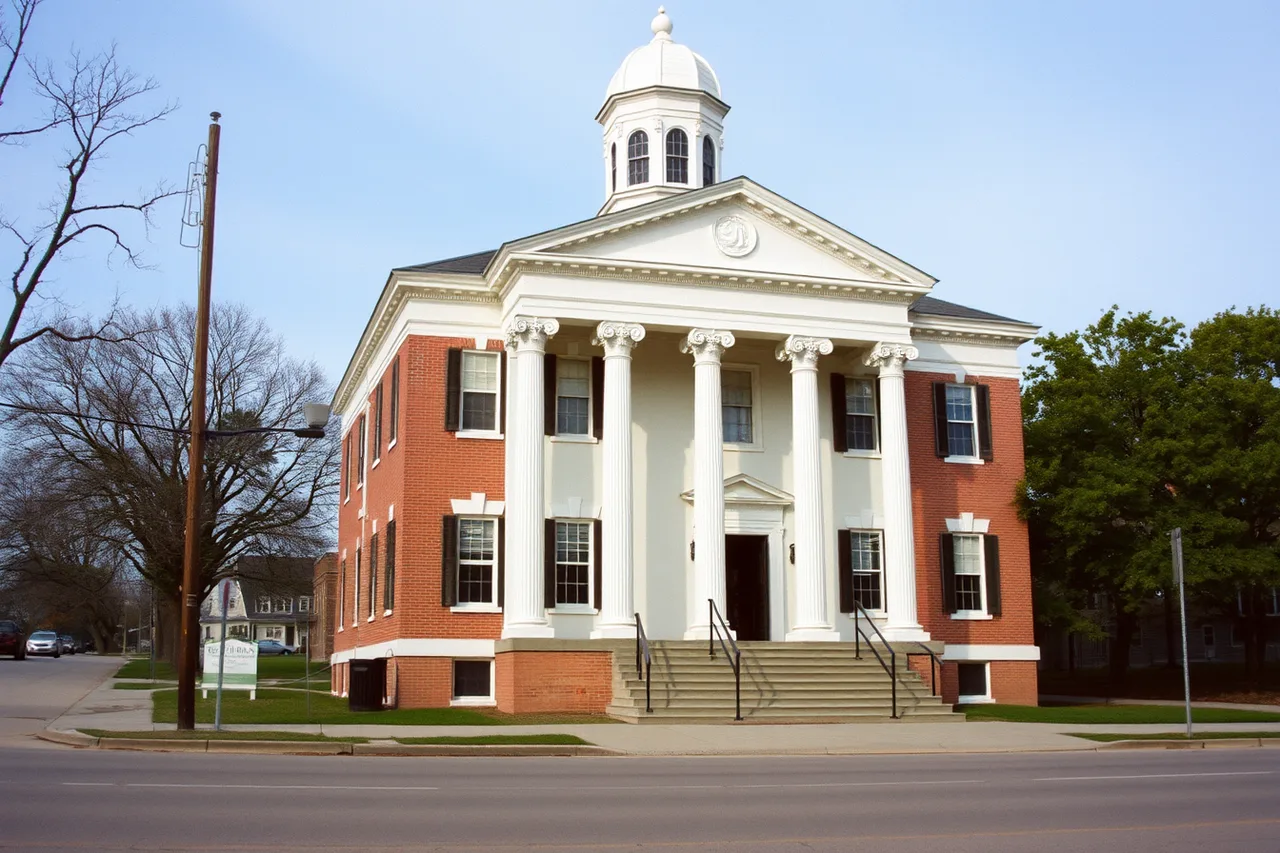
The Old State House is the strongest of the three. Lincoln argued before the Illinois Supreme Court in its chamber and spoke from its steps. The state restored the building to its 1840s and 1850s appearance, so the rooms a visitor walks are the rooms the court used.
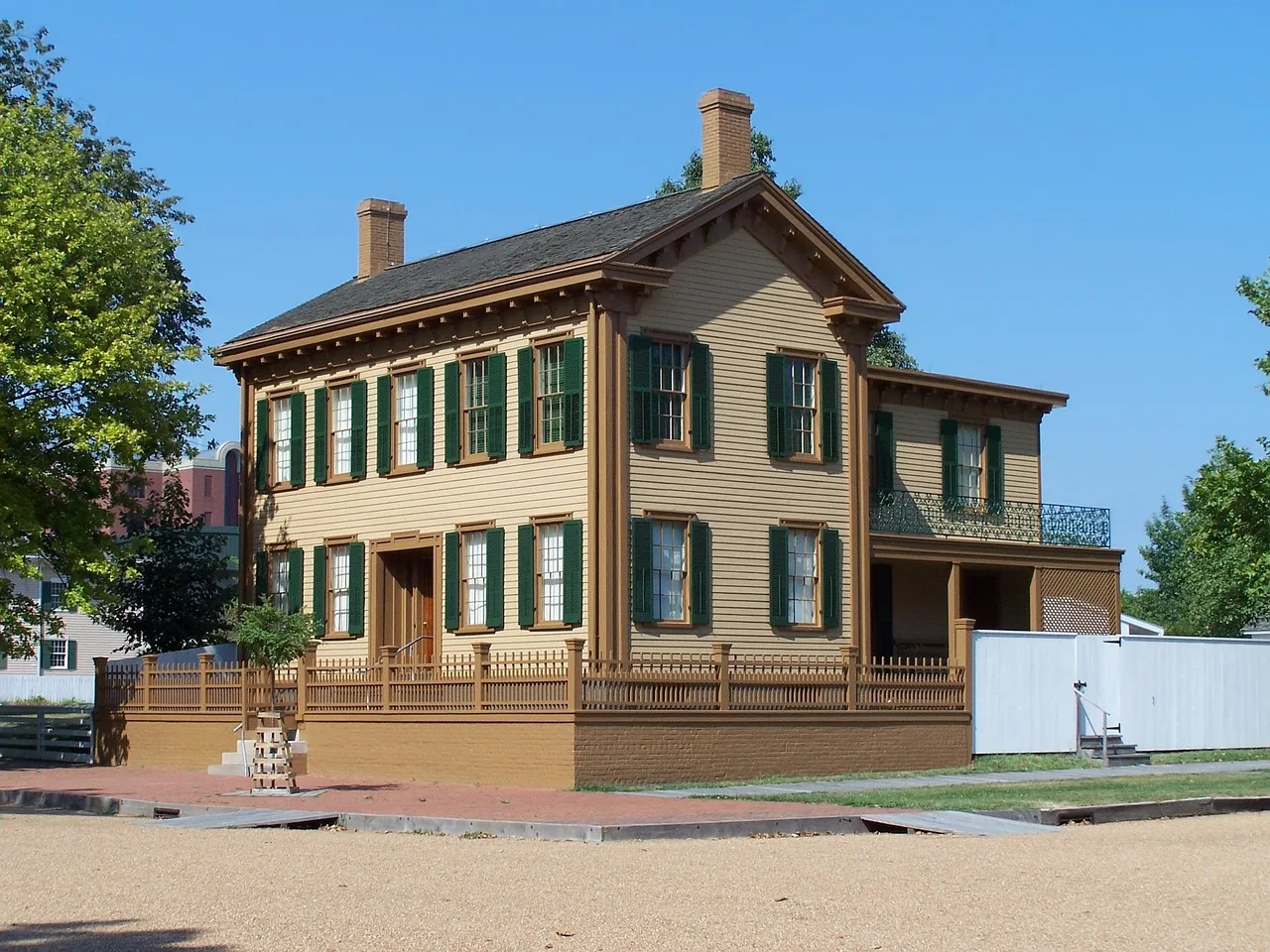
The Lincoln Home at Eighth and Jackson is where he lived for seventeen years. He gave no major address inside it. He spoke to crowds from the front of the house during the 1860 campaign and left from it for Washington in 1861.
The 1861 departure drew brief remarks from the president-elect at the Great Western depot. The depot is gone. A marker near downtown notes the spot.
The current State Capitol postdates his presidency. The grounds carry monuments and markers tied to his Springfield years, and the earlier capitol building he served in is the Old State House itself.
For how reported texts like these get verified against the record, see our guide to political speeches you can actually verify.
The archives that hold the texts
The Illinois State Archives, run by the Secretary of State's office, keeps the journals, bills and correspondence from Lincoln's four terms in the legislature. That is the paper record of what he said on the floor and when. The research room is public and needs no ticket.
The Abraham Lincoln Presidential Library and Museum, a few blocks from the home, holds the largest Lincoln manuscript collection in Illinois. Researchers request boxes by appointment. The museum side puts the 1850s and 1860s in context.
The Library of Congress holds the largest Lincoln papers anywhere, including drafts and copies of the national addresses. Much of it is digitized. For the founding-era texts that shaped the oratory he drew on, the National Archives publishes America's Founding Documents.
One caution on reuse: an archive listing is not a public-domain determination. Old age is not the test. The U.S. Copyright Office publishes the current rules, and a rights lawyer is the person to ask before you republish a transcription.
The same themes Lincoln worked in Springfield run through later American oratory. Our collection of civil rights speeches traces that line into the twentieth century.
Site by site: what each one holds
| Site or archive | What it holds | Access |
|---|---|---|
| Old State House | Restored Supreme Court chamber and legislative rooms; exhibits on Lincoln's legal and political career | Ticketed entry, guided tours |
| Lincoln Home National Historic Site | The house, a four-block restored neighborhood, exhibits on the Springfield years | Free timed tickets for the house; neighborhood open |
| Abraham Lincoln Presidential Library and Museum | Manuscripts, photographs, papers and exhibits | Museum ticketed; library by appointment |
| Illinois State Archives | Legislative journals, bills and correspondence from the statehouse years | Public research room, no ticket |
| Illinois State Capitol grounds | Monuments and markers from the Springfield period | Open to the public |
The Old State House and the Lincoln Home are the two places where the setting matches the speech. The archives are where you go for the text.
Springfield Lincoln Sites at a Glance
Old State House
- What it holds
- Court chamber
- Access
- Ticketed tours
- Best for
- Setting
Lincoln Home
- What it holds
- The house
- Access
- Free timed tickets
- Best for
- Setting
Presidential Library
- What it holds
- Manuscripts
- Access
- By appointment
- Best for
- Context
State Archives
- What it holds
- Legislative papers
- Access
- No ticket
- Best for
- Text
For the older oratory that shaped how American speeches were written and reported, see our roundup of fourth of july speeches history.
A day on foot, and a day in the reading room
The core sites sit within walking distance of downtown. One day covers them if you start early, because the house tour is the only part on a clock.
A Day on Foot in Springfield
- Pick up Lincoln Home timed tickets first
- Tour Old State House court chamber
- Visit presidential library and museum
- Add Illinois State Archives research room
- Finish at Capitol grounds markers
Check hours and ticket rules on the National Park Service Find a Park tool before you travel. The same tool lists Lincoln and civil rights sites in other states if you want to extend the trip.
Research visits run on different rules from tourist visits. Request boxes at least a week ahead, bring the call numbers, and expect to leave bags in a locker. Photography rules vary by reading room.
Checklist for a reading-room day:
Reading-Room Day Checklist
- Confirm hours and appointment rules
- Request manuscript boxes a week ahead
- Write down call numbers before arriving
- Ask about photography at the desk
- Bring a pencil; pens are not allowed
Reading a Springfield speech text
Most Springfield remarks survive as newspaper reports, and reports differ. Two papers covering the same courthouse speech can disagree on a sentence, and neither is the speech as delivered.
Work in this order. Fix the date, the venue and the audience from a primary record. Then find every reported version you can. Then note what the versions disagree on, and leave that gap open rather than resolving it.
Delivery conditions explain some of the gaps. A speaker on courthouse steps, with no amplification, in cold air, is not giving the text a paper printed the next morning. Room acoustics, crowd noise and a reporter's ear all sit between the speech and the column.
This is where archive listings get mistaken for proof. A catalog entry tells you an item exists and where it sits. It does not tell you the text is accurate, complete or free to republish.
Park Service resources and ranger knowledge
The National Park Service runs the Lincoln Home and publishes the trip-planning material for the region. Its pages describe the house, the neighborhood and the ranger programs on the Springfield years.
Start with the Lincoln Memorial (U.S. National Park Service) pages for how the Park Service interprets Lincoln across its sites. The Trip Ideas section suggests routes that link speech sites in Illinois and further south.
Rangers at the Lincoln Home can tell you which rooms Lincoln used and what is documented about the 1860 appearances. Talks change with the season, so check the daily schedule when you arrive. Treat a ranger's answer as a lead to a source, not as the source.
For how speech texts move from delivery to print to anthology, and which of those stages you can cite, our guide to the best business speeches works through the same problem.
Common questions
Where in Springfield did Lincoln actually speak?
The Old State House is the clearest surviving site, both the Supreme Court chamber and the front steps. The Lincoln Home area and the State Capitol grounds carry markers for the rest. Several halls and public squares where he spoke no longer stand.
Can I see Lincoln's original speech manuscripts in Springfield?
The Abraham Lincoln Presidential Library and Museum holds manuscripts and papers, and access is by appointment. Some items are digitized. Few Springfield remarks exist in Lincoln's own hand, because most were reported rather than written out.
Is the Lincoln Home free to visit?
The National Park Service issues free timed tickets for house tours, and you still need to reserve a slot, especially in summer. The surrounding four-block neighborhood is open without one.
What does the Illinois State Archives hold on Lincoln?
It keeps the legislative journals, bills and correspondence from his years in the state legislature, which is the record of what he said on the floor. The research room is open to the public at no charge.