Guides
National Archives speech collections compared with Library of Congress holdings
National Archives speech collections hold official federal drafts and recordings, while Library of Congress holdings center on published texts and donated papers.
What to take away
- The National Archives and Records Administration (NARA) holds the official federal record of a speech: drafts, reading copies, transcripts and recordings created by the government that delivered it.
- The Library of Congress holds speech material that arrived by copyright deposit, donation or purchase, which makes it strong on published texts and weak on any single administration.
- Presidential Libraries and Museums are NARA units. From Herbert Hoover onward, they are the first stop for a president's speech drafts and broadcast recordings.
- Both institutions are free to search and free to enter. You pay for copies, not for access.
- Match the format before the institutionmanuscript draft to NARA, printed pamphlet to the Library of Congress, broadcast recording to whichever division actually holds the master.
How NARA organizes a speech record
NARA files federal records by record group, a numbered unit tied to an agency or a function. A speech lands in the record group of the office that produced it, not in a subject collection called "speeches."
That single fact decides most searches. A president's address sits in White House records. A secretary of state's address sits in State Department records. The speech is filed as evidence of government business, which is why the draft, the clearance memo and the reading copy often survive together.
The Guide to Federal Records describes each record group and what it contains. Read the description before you request anything. It tells you whether the group holds speech files at all.
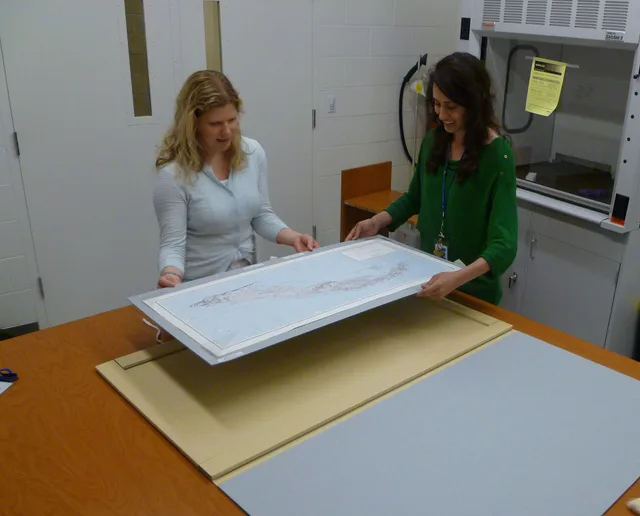
Inside a record group, records break down into series and file units. A series might be titled "Speeches" or "Messages to Congress," with a folder per date or topic. Finding aids list those folders, and often the box numbers, so you can request a specific box instead of a range.
NARA Speech Record Groups
Record Group
- RG 130
- White House Office
- RG 59
- Department of State
- RG 60
- Department of Justice
- RG 306
- U.S. Information Agency
Agency
- RG 130
- Text
- RG 59
- Text
- RG 60
- Text
- RG 306
- Film, video, audio
Speech Material
- RG 130
- RG 59
- RG 60
- RG 306
Audiovisual records usually need a separate request and often a copying fee, because the master may be on film or tape that has to be transferred before you can hear it.
What the Library of Congress actually holds
The Library of Congress is the research arm of Congress and the largest library in the world. Its speech material arrives three ways: copyright deposit, donation and purchase. None of those routes guarantees completeness for any administration.
Library of Congress Speech Divisions
Division
- Manuscript Division
- Drafts, papers
- Motion Picture, Broadcasting and Recorded Sound
- Radio, TV addresses
- American Folklife Center
- Oral histories
- Rare Book and Special Collections
- Printed pamphlets, broadsides
Speech Material
- Manuscript Division
- Motion Picture, Broadcasting and Recorded Sound
- American Folklife Center
- Rare Book and Special Collections
That is the trade. The Library of Congress can hand you a printed speech, a commercial recording or a public figure's private papers. It cannot hand you the official file of a federal office, because it never held one.
The named collections matter more than the general catalog for speech work. The Manuscript Division holds the papers of presidents, senators and civil rights leaders, and those papers frequently contain drafts with the speaker's own edits.
The Motion Picture, Broadcasting and Recorded Sound Division holds radio and television addresses. The American Folklife Center holds oral histories, which are recollection recorded years later and are not a transcript.
The Rare Book and Special Collections Division holds printed pamphlets and broadsides.
Search the Library of Congress Online Catalog by title, author and subject. Then filter by format, such as "Sound Recording" or "Manuscript." Chronicling America adds printed speech texts reprinted in historical newspapers. This is often how a speech reached readers who never heard it.
For civil rights speeches with verified dates, the Manuscript Division is usually the starting point, because the speaker's own papers carry the draft and the correspondence around it.
Presidential Libraries: one president each
Presidential Libraries and Museums are part of the National Archives system. Each covers one president, from Herbert Hoover forward. Earlier presidents' papers sit mostly at the Library of Congress or in university repositories.
For a presidential speech, the relevant library is the first call. Speech files there can include drafts, final texts, press releases and the broadcast recording, plus staff files showing who cleared which line. That clearance paper trail is the part no other repository holds.
The Presidential Library Explorer searches descriptions of holdings across all the libraries by president and topic. Use it when you do not yet know which library to contact.
Access follows NARA rules, with one addition: some records are restricted for national security or personal privacy, and a draft may be open while its recording is not. Ask about the specific item rather than the collection.
Presidential libraries do not hold cabinet or agency speeches unless the president's own activities produced them. For those, go back to the agency record group. For presidential farewell addresses, the library usually holds both the draft and the broadcast master.
Reading rooms, cards and copies
NARA reading rooms require a researcher card, obtained by an online application plus photo identification. Some facilities, presidential libraries especially, want advance notice before pulling boxes. Call ahead with your box numbers.
Reading Room Access and Copies
Institution
- NARA
- Researcher card, photo ID
- Library of Congress
- Reader card, online or in person
Access Requirement
- NARA
- Vendor for AV
- Library of Congress
- In-house duplication
Copy Service
- NARA
- Library of Congress
The Library of Congress requires a reader card, registered online or in person. Its reading rooms are split by format, so the Manuscript Reading Room and the Recorded Sound Research Center each run their own request procedure.
Both allow photography of most material for personal use. Check the signs and ask staff, because a restriction can attach to a single collection rather than a whole room.
Copies cost money at both institutions. NARA often requires a vendor for audiovisual duplication, which adds turnaround time. The Library of Congress runs its own duplication services. Neither charges for entry, and neither charges for finding aids.
That distinction matters when you price a project. If you are comparing speech archive subscriptions, remember that the archives themselves are free and the subscription market exists for aggregators, not for NARA or the Library of Congress.
The Research Our Records portal is the entry point for locating NARA holdings. It links the catalog, the finding aids and the digitized records in one place.
Record Group Explorer and finding aids
The Record Group Explorer describes each federal record group and links to its finding aids. Browse by number or search by keyword to learn which group would hold your speech before you travel.
Four Lines for a Request Slip
- Record group or collection number
- Series title
- Box number
- Folder title
Finding aids are the real instrument. They describe series and file units, often down to folder titles and box numbers. A speech series might be listed by date, which lets you request one box instead of ten.
Write down four things from the finding aid before you request: record group or collection number, series title, box number and folder title. Those four lines go on the request slip and again on any copy order. Getting them right the first time is the difference between one visit and three.
The Library of Congress publishes collection guides for its manuscript holdings, searchable online. They work the same way: read the guide, note the box, request the box.
If you cannot visit, both institutions have reference staff who will check a finding aid for you. Ask a narrow question. "Does RG 59 hold speech files for 1963" gets an answer. "Do you have speeches" does not.
Holdings by speech type
National Archives
- Presidential speeches (official)
- Drafts, reading copies and recordings in presidential libraries and RG 130
- Agency head speeches
- Agency record groups, commonly RG 59 and RG 60
- Congressional speeches
- Committee records and some member papers
- Civil rights speeches
- Federal agency and commission records, some in presidential libraries
- Broadcast speeches
- Recordings in RG 306 and other audiovisual groups
- Published speech pamphlets
- Occasionally in agency files, not a focus
- Oral histories
- Some in presidential libraries
Library of Congress
- Presidential speeches (official)
- Published texts, some recordings, papers in the Manuscript Division
- Agency head speeches
- Fewer official records; some published texts in the general collections
- Congressional speeches
- Congressional Record, member papers in the Manuscript Division
- Civil rights speeches
- Manuscript collections of civil rights leaders, recorded sound division
- Broadcast speeches
- Radio and television recordings in the recorded sound division
- Published speech pamphlets
- Strong holdings in the general collections and Rare Book Division
- Oral histories
- American Folklife Center and Manuscript Division
Holdings vary by president and topic, so treat the table as a first guess and confirm against a finding aid.
Speech Holdings by Type
Speech Type
- Presidential
- Drafts, recordings
- Agency head
- Agency record groups
- Congressional
- Committee records
- Civil rights
- Federal agency records
- Broadcast
- RG 306 recordings
- Published pamphlets
- Occasional agency files
- Oral histories
- Some in presidential libraries
National Archives
- Presidential
- Published texts, papers
- Agency head
- Fewer official records
- Congressional
- Congressional Record, papers
- Civil rights
- Manuscript collections
- Broadcast
- Recorded sound division
- Published pamphlets
- Strong general collections
- Oral histories
- Folklife Center, Manuscript Division
Library of Congress
- Presidential
- Agency head
- Congressional
- Civil rights
- Broadcast
- Published pamphlets
- Oral histories
For a widely printed speech, such as an inaugural address, both institutions will have something. NARA will have the official draft and the recording. The Library of Congress will have the printed copies and possibly the speaker's papers.
For a speech that was never published, NARA is more likely to hold the only copy. Copyright is a separate question, and a federal record is not automatically free to republish. The U.S. Copyright Office sets that status, and a rights lawyer can advise on a specific use.
For business speeches source check, the same split applies: the official file at NARA, the printed version at the Library of Congress.
Worked example: a 1960s secretary of state speech
Say you want to verify an address by a secretary of state in the 1960s and you have only the speaker and an approximate date.
Tracing a 1960s Secretary of State Speech
- Open RG 59 in Record Group Explorer
- Find speech series for the year
- Locate folder for the month
- Check Library of Congress catalog for printed text
- Check RG 306 for broadcast recording
- Cite record group, series, box, folder
Start with the Record Group Explorer and open RG 59, General Records of the Department of State. Look for a speech series covering the year, then a folder for the month. The file may hold a draft with handwritten edits, a final reading copy and a press release, which lets you see what changed between draft and delivery.
Then search the Library of Congress Online Catalog for a printed version. A text published in a department bulletin or a newspaper gives you a citable printed source and a check on the archival draft.
If the speech was broadcast, check RG 306 for the recording. If it was delivered abroad, the USIA file may be the only moving image that survives.
Finish by citing the archival item: record group, series, box and folder. A quote from a secondary website is not a citation. For political speeches you can actually verify, the box and folder number is what makes the claim checkable.
Common questions
Can I see National Archives speech records online?
Some are digitized in the National Archives Catalog, and many are not. The catalog record tells you whether a digital copy exists. If it does not, you visit a reading room or order copies.
Does the Library of Congress hold presidential speech drafts?
Sometimes, when a president's papers were donated there. Most modern presidential papers are in the presidential libraries. For presidents before Hoover, the Library of Congress is often the main repository.
What does it cost to use either archive?
Entry and finding aids are free at both. You pay for reproductions, and NARA may route audiovisual copying through a vendor. Ask the specific repository for current fees before you order.
I know only the speaker and the date. Where do I start?
For a federal official, start with the Record Group Explorer or the Presidential Library Explorer. For anyone else, search the Library of Congress catalog by speaker and date, then look for a collection guide that lists speeches by date.