Reviews
Part of Political speeches you can actually verify
Political speeches shift with the medium, not the decade
Political speeches by decade change with the medium rather than the calendar. What each record leaves behind, and two errors decade views reliably produce.
Sort political speeches into decades and you are not sorting speeches. You are sorting the technology that recorded them.
A speech from the parliamentary stenographer era survives as a corrected text; a radio era speech survives as audio, sometimes of the broadcast rather than the room.
A television era speech survives as footage edited by a news desk. A recent speech survives in more versions than anyone can reconcile: the advance text, the delivered text, the pool feed, and a hundred clips.
Each of those is a different kind of evidence, and a decade survey that treats them as comparable is comparing documents of different species. This page is about reading the record by period, and about building a period survey that admits what it is made of.
What to take away
- What a decade "sounds like" is mostly what its recording medium could capture.
- Every period has a characteristic gap between the text that was published and the words that were said, and the size of that gap is period data.
- A decade survey should be built from the record types, not from famous names.
What each medium leaves behind
The succession of media runs roughly
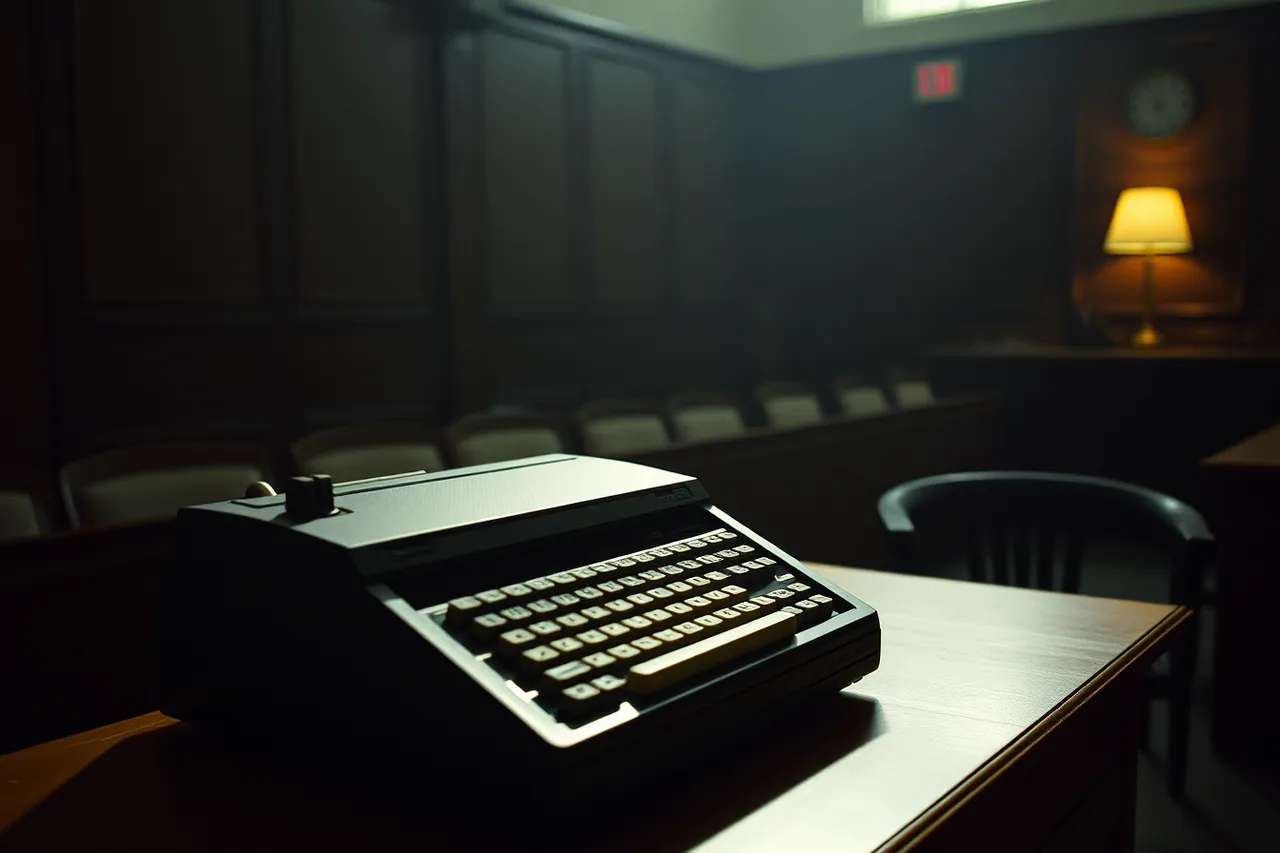
The stenographic record. Official reporters took down debates and set-piece addresses using systems like the stenotype, and speakers were often permitted to correct the transcript before publication. What survives is a text the speaker approved after the event. Interruptions, laughter and disorder may be marked; delivery is gone. The corrected text can differ from what was said, and nobody now can check.
In the United States, the Congressional Record prints a text members may revise before publication, so the printed speech is the one the member wanted on the record, not necessarily the one the chamber heard.
The press account. Before recording, the public heard speeches through newspapers, which printed some in full, paraphrased others, and excerpted most. The excerpt boundaries chosen by a sub-editor a century ago are frequently the boundaries the anthology still uses.
Lincoln's Gettysburg Address is the classic case. It survives in several handwritten copies and in newspaper printings that disagree with one another, and none of them is a record of the words as delivered.
Radio. For the first time, delivery survives: pace, pause, pitch, the audience. But what survives is often the broadcast, which may have been a studio address with no room at all, or a relay from a hall with the crowd mixed low. Radio also created the speech written to be heard in a kitchen rather than in a chamber, and that is a different form.
Franklin D. Roosevelt's fireside chats show the form working on both sides at once: written for a microphone and a living room rather than a chamber, and recorded, so the delivery survives alongside the prepared text.
Newsreel and television. Footage, but selected and cut. The news desk chose the ninety seconds. For many speeches of this period, the clip is the only part most people have ever encountered, and the whole exists only in an archive that has to be visited.
Martin Luther King Jr.'s "I Have a Dream" is the clearest text-versus-delivery gap of the television era: the refrain everyone knows was improvised, and it does not appear in the prepared text handed to the press. John F. Kennedy's inaugural address was carried live on television and radio, and the version most people meet today is a broadcast clip of it.
Video and the web. Everything survives and nothing is stable. Advance texts, delivered texts, official transcripts, third-party transcripts and countless clips coexist, with no one document authoritative. The problem reverses: not too little record, but too many records that disagree.
A State of the Union address now exists in several versions at once: the advance excerpts, the delivered text, the official transcript, and an evening's worth of clips.
The gap that defines a period
For every period, ask: how far apart were the published text and the spoken
Who controlled the published text
Stenographic
- Controller
- Speaker
- Typical gap
- Unknowable
- Delivery survives
- No
Press
- Controller
- Newspaper
- Typical gap
- Large
- Delivery survives
- No
Radio
- Controller
- Broadcaster
- Typical gap
- Small wording
- Delivery survives
- Yes
Television
- Controller
- News desk
- Typical gap
- Small clip
- Delivery survives
- Partly
Who controlled the published text
- Stenographic
- The speaker, by correction
- Press
- The newspaper
- Radio
- The broadcaster and the speaker's office
- Television
- The news desk
- Web
- Nobody
Typical gap
- Stenographic
- Unknowable; the text is the only witness
- Press
- Large; paraphrase and excerpt
- Radio
- Small for wording, but the "room" may be a studio
- Television
- Small for the clip, total for everything cut
- Web
- Variable; multiple texts, none final
The interesting speeches in any period are often the ones where that gap is widest. The difference between what was prepared and what was said shows the speaker's judgment on the day.
The political speeches overview covers the distinction between prepared and delivered text in general. By period, it becomes a question of whose version you are able to reach at all.
Building a period survey
The standard decade survey lists the famous speeches of famous people and arranges them chronologically. It tells the reader nothing they could not have guessed. A better one is built from the record.
- Name the media active in the period, and say which of them your sources come from. A survey built entirely from anthologies is a survey of what anthologists liked.
- Include the occasions the period's media ignored.Committee rooms, local hustings, union halls, and courtrooms produced speaking in every period; they were rarely recorded, and a survey should say so rather than pretend the period was all set-pieces.
- For each entry, name the artifact.Corrected transcript, press excerpt, broadcast recording, news clip, or web text. The speech analysis method depends on knowing which of these you have, and so does any claim about wording.
- Compare like with like.Two broadcast recordings can be compared for delivery. A broadcast recording and a corrected transcript cannot. Say so.
- Note what the period could not hear.A decade of stenographic record has no delivery data at all. Claims about how a speaker "sounded" in such a period come from memoirs and press, and should be labeled as such.
The National Archives publishes a short guide to starting research in its holdings. It is a useful model of the questions to settle before visiting any repository: what kind of record you need, who created it, and where records of that kind were deposited.
The Library of Congress holds recorded sound and manuscript collections from several of these media, and its catalogs are free to search before a visit.
Two errors that decade views produce
Progress narratives. Because later periods have richer records, surveys tend to describe speaking as improving over time. It is the evidence that improved. A period whose speeches survive only as corrected texts may have contained better speakers than one whose speeches survive in full color.
Medium mistaken for style. The short, plain sentence often described as characteristic of a broadcast era is characteristic of writing for a microphone. The long, subordinated sentence of an earlier period is characteristic of a corrected text prepared for print. Neither tells you how people spoke; both tell you how the record was made. The devices that survive all periods, and why, are the subject of rhetorical devices.
For status questions when reproducing anything from an earlier period, see public domain speeches: age alone settles nothing, and the medium adds rights of its own.
Common questions
Can two speeches from different record eras be compared at all?
For structure and argument, yes, from the texts. For delivery, no, unless both have recordings: the Gettysburg text and a broadcast transcript can be read side by side, but there is no recording of Lincoln to set against one. Say which comparison you are making.
Why do older speeches read as more formal?
Largely because the surviving text was corrected for print. The spoken version may have been looser; there is no way to know, and a survey should say so rather than describe a period style.
Is the most recent period easier to survey because everything is online?
It is easier to find and harder to settle. With several texts and no authoritative one, the survey has to choose an artifact for each entry and name it.